Got a fully funded scholarship in USA 2027? Learn how to get your student visa, pass your interview, and prepare for your journey from Nigeria.
Congratulations—if you’ve secured a fully funded scholarship in USA 2027, you’re already halfway to achieving your study abroad dream.
But here’s where many students get stuck: the U.S. student visa process. A single mistake can delay or even cost you this life-changing opportunity.
This guide walks you step-by-step on how to successfully obtain your USA student visa (F-1) and prepare for your journey with confidence.
👉 Read carefully and follow each step to avoid common mistakes.
Eligibility Criteria for USA Student Visa (F-1)
To qualify for a U.S. student visa, you must:
- Have a valid admission letter from a U.S. university
- Receive your Form I-20 from the school
- Show proof of funding (your scholarship covers this)
- Have a valid international passport
- Demonstrate intent to return to Nigeria after studies
💡 Your fully funded scholarship already strengthens your visa approval chances.
Benefits of Studying in the USA (With a Visa)
With your visa approved, you gain access to:
- Legal entry into the United States
- Full-time study opportunities
- Access to campus jobs (limited hours)
- International exposure and networking
- Post-study work opportunities (OPT)
Step-by-Step USA Student Visa Application Process
1. Receive Your I-20 Form
Your university will issue this after confirming your admission and funding.
2. Pay SEVIS Fee
[Pay the SEVIS I-901 fee and keep your receipt.]
3. Complete DS-160 Form
Ensure all details are accurate.
4. Pay Visa Application Fee
Pay the required visa fee and keep proof of payment.
5. Book Visa Interview
Schedule your appointment at the U.S. Embassy in Nigeria (Abuja or Lagos).
6. Attend Visa Interview
Answer confidently and honestly. Be prepared to explain:
- Your course of study
- Why you chose the USA
- Your future plans after graduation
Required Documents for Visa Interview
Prepare these carefully:
- Valid international passport
- DS-160 confirmation page
- Visa appointment confirmation
- I-20 form
- SEVIS fee receipt
- Scholarship award letter
- Admission letter
- Academic documents
Important Timeline
For USA 2027 intake:
- I-20 issuance: After admission (early 2026)
- Visa application: Immediately after I-20
- Interview period: 2–3 months before resumption
- Travel: Usually 1 month before classes begin
⏳ Apply early to avoid embassy delays.
Key Visa Success Tips
- 🎯 Be confident and honest during your interview
- 📄 Keep all documents well organized
- 🗣️ Practice common interview questions
- ⏰ Arrive early at the embassy
- ❌ Avoid fake documents (automatic disqualification)
How to Prepare for Your Journey to the USA
Once your visa is approved:
- Book your flight early (cheaper rates)
- Arrange accommodation (on-campus or off-campus)
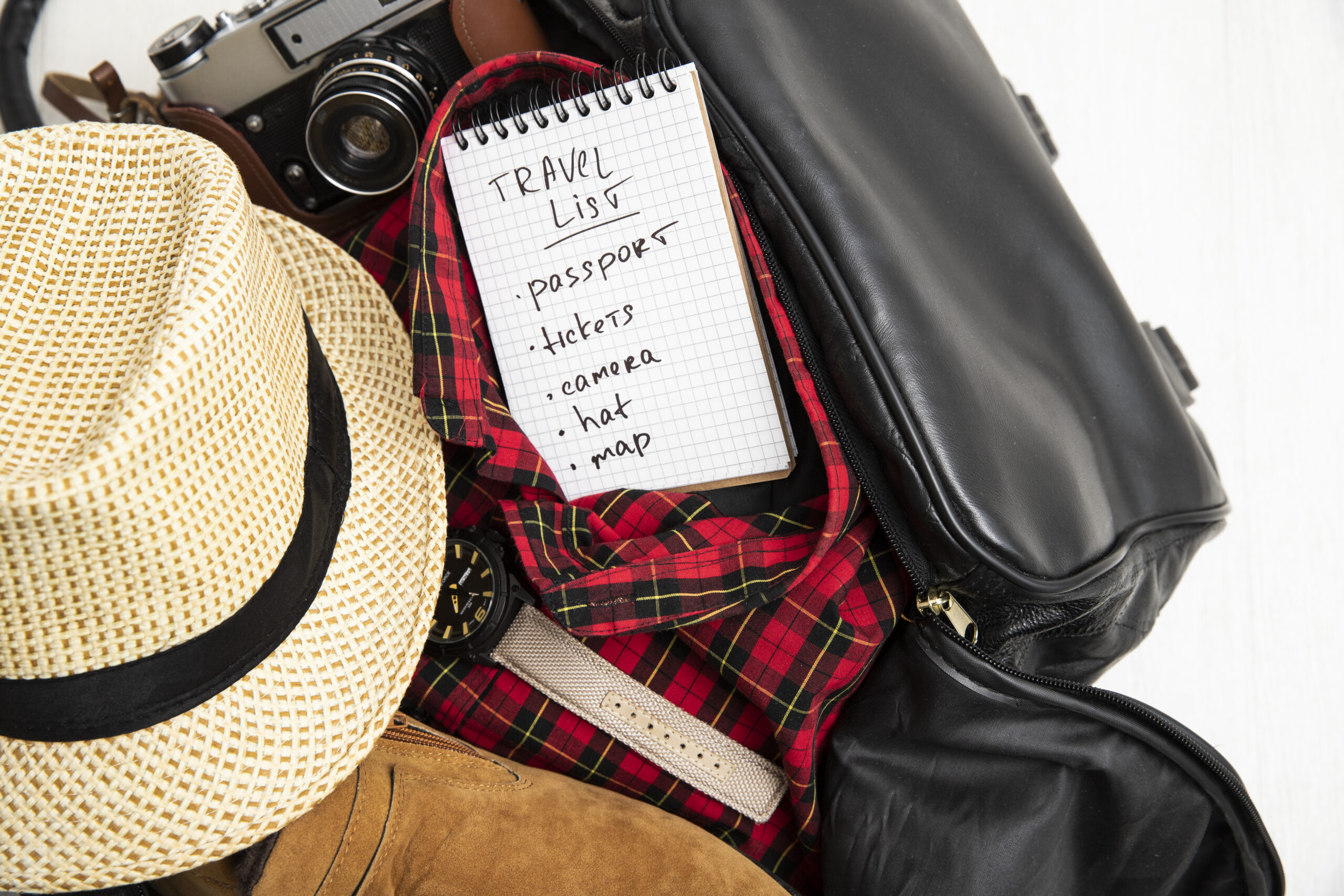
- Pack essential documents and clothing
- Understand U.S. culture and school system
- Prepare financially for minor expenses
💡 Even with a tuition fee waiver, carry some personal fund
Continue to Scholarship Application
Frequently Asked Questions (FAQs)
1. How long does it take to get a U.S. student visa?
Usually between a few weeks to a few months, depending on interview availability.
2. Can I get a visa with a fully funded scholarship?
Yes, it significantly increases your chances.
3. What questions are asked in the interview?
Questions about your course, school, and future plans.
4. Can my visa be denied?
Yes, if you provide false information or fail to convince the officer.
5. When should I apply for the visa?
Immediately after receiving your I-20 form.
6. Can I work while studying?
Yes, but limited to part-time on-campus jobs.
Explore More Opportunities
👉 Check other scholarships here
Conclusion
Getting your USA student visa (F-1) is the final step between you and your dream of studying abroad.
With the right preparation, confidence, and accurate documents, your chances of approval are very high—especially with a fully funded scholarship.
👉 Prepare early, stay focused, and take the next step toward your future. Don’t forget to continue your scholarship application.
